降雨量の測定が想像以上に難しい理由
by Kevin Randall | 更新日: 02/17/2026 | コメント: 0
ブログトピック
Area / Application


Product Category


Corporate / News
ブログを検索する
ブログを購読する
興味のある分野に一致する新しいブログ記事が投稿されたときに電子メール通知を受信するように設定してください。
記事を提案する
もっと詳しく知りたいトピックはありますか? お知らせください。できるだけ具体的にご記入ください。
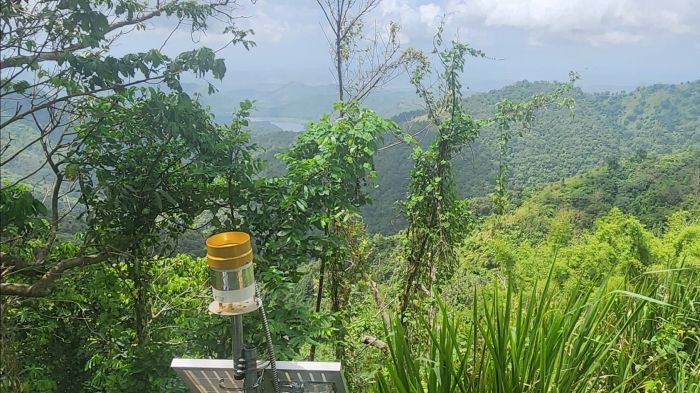
地質専門家(エンジニアおよび地質学者)は、構造物の健全性および地質工学的用途の短期および長期モニタリングに、自動化された現場計測機器をますます使用しています。ほとんどの専門家は、間隙水圧、水位、温度、ひずみ、傾斜、伸長といった一般的な地下および構造物の測定に精通しています。しかし、多くのプロジェクトでは、大気パラメータも補助データとして利用しています(例:降雨量に基づく地滑り危険度モニタリング)。
このような場合、地理専門家は専門分野外のセンサーを選定せざるを得ず、限られた情報に基づいて機器選定を行うこともあります。一方、気象学者は、様々な降水量測定技術の長所と限界を深く理解しています。その結果、降水量は最も多く測定される大気変数の一つであると同時に、最も誤測定されやすい変数の一つでもあります。
この記事では、地質工学および構造健全性アプリケーションに最も関連のある形態である液体の降水に焦点を当てます。
この記事では、以下の内容を取り上げます。
液体降水の測定方法
液体の降水量は数世紀にわたって測定されており、目盛り付きの容器を視覚的に監視する単純なものから、液滴のサイズや速度などのパラメータを測定するレーザーベースの降水量計のような複雑なものまで、さまざまな方法で測定できます。
しかし、ほとんどの降水量センサーは、これら2つの極端な例の中間に位置します。今日最も広く使用されているのは、そのシンプルさ、信頼性、そしてメンテナンスの容易さから評価されている転倒枡式雨量計です。
転倒桝式雨量計は、スクリーン付き漏斗で雨水を集め、両面バケツ機構に導きます。片方のバケツが規定の容積まで満たされると、バケツが傾いて空になり、磁気スイッチが作動します。この磁気スイッチの作動は、データ収集システム(データロガー)によってパルスとして記録されます。各傾き(パルス)は、一定の降雨量増分(通常0.01インチまたは0.1mm)に対応します。機構は自動的に排水するため、センサーは最小限のメンテナンスで長期間稼働できます。
図1は、転倒桝式雨量計の内部に備えられた転倒機構の例です。シーソー型の転倒機構が漏斗の真下の円筒内に収納されていることに注目してください。
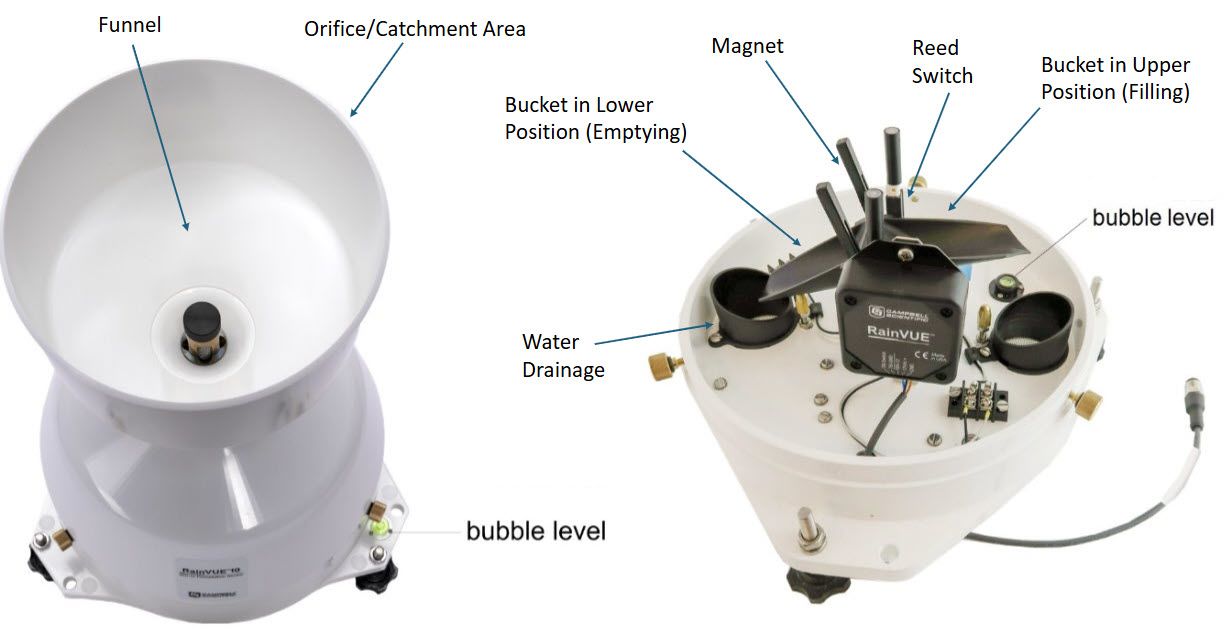
図1:左 – RainVue™転倒桝式雨量計の外観(上面図)、右 – RainVueセンサーの内部図
現代の研究により、降水量を測定する最も正確な方法は、集水域が地表と面一になるように装置を地中に埋め込むことであることが証明されています。気象学界では、これは世界気象機関(WMO)の規定に基づき、雨量計ピットとして知られています。
WMO(世界気象機関)準拠の転倒マス式雨量計ピットは、風による雨量不足を最小限に抑えるため、オリフィス縁が地面と完全に一致するように、地中ピットに設置されます。ピットは排水性に優れ、堅固な飛散防止グリッドで覆われています。また、雨量計はピット壁から十分に離れた中央に設置され、雨水の飛散を防ぎます。設置場所は平坦で障害物がなく、近隣の障害物は雨量計の高さの2倍以上離して設置する必要があります。
地中埋設型雨量計は、地上設置型雨量計のような誤差を生じさせることなく降水量を測定できるため、最も精度の高い雨量計です。地上に設置されたセンサーは、センサー周囲およびセンサー上部の気流パターンを変化させ、風の影響で雨量計の捕捉不足を引き起こします。この誤差は、転倒枡型雨量計が地上面に設置されたセンサーと比較して測定精度が低下する2つの要因のうちの1つにすぎません。
ピットゲージは気象学上のベストプラクティスですが、ほとんどの地質工学的モニタリングサイトではほとんど実用的ではありません(まったく実用的ではない場合もあります)。
標準傾斜バケット使用時の一般的なエラーの原因
#1 – 風による漁獲不足
地上のゲージは空気の流れを妨げ、風による漁獲不足につながります。
計器本体の周囲を通過する風は、オリフィス上空に乱流と渦を発生させ、液滴を漏斗から逸らす可能性があります。強風下では、この捕捉不足は最大20%に達することもあり、これは液体降水量測定において最も重要でありながら、最も見落とされやすい誤差です。特に風の強い場所では、中程度の風速でも地上雨量計の測定値に大きなバイアスが生じる可能性があります。
図 2 は、最も一般的な転倒枡式雨量計の概要を視覚的に示しています。
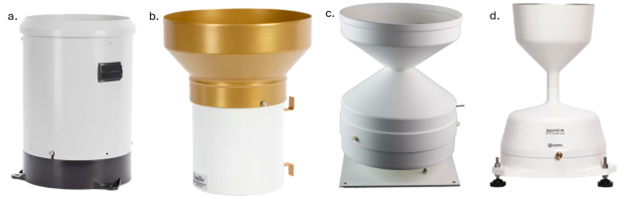
図2:一般的な転倒枡型雨量計の4つの形状 – (a) 従来の円筒形、(b) 漏斗状の上面を持つ円筒形、(c) 水文学研究所で開発された空気力学的(プラスチック)形状、(d) カリックス形状またはシャンパングラス形状とも呼ばれる空気力学的(アルミニウム)形状
図 3 は、標準的な円筒形の転倒ます式雨量計に風が及ぼす影響を示したものです。
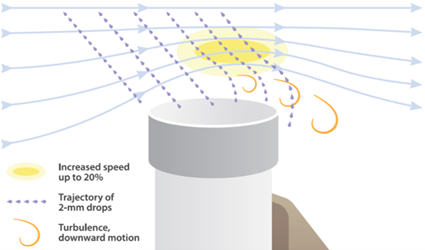
図3: 風速10m/s(22mph)における2mmの雨滴の雨滴経路に対するゲージの影響を示す図
大気研究の世界では、一般的な4種類の転倒枡型雨量計の形状に風が及ぼす影響を実証するために、2次元および3次元モデリングが行われてきました。Colli (2018) 1が示したような垂直方向の流れに沿ったカラープロットは、空気力学的雨量計が、標準的な形状の雨量計と比較して、集雨器付近で観測される時間平均の気流パターンに異なる影響を与えることを示しています。Colliは、ほとんどの場合、地上に設置された空気力学的雨量計は、並置された直線状の雨量計よりも多くの降雨量を捕捉すると結論付けています。
#2 – 激しい雨の際の測定不足
強度の高いイベントが発生すると、転倒マスでは以下の理由により降雨の一部を逃してしまう可能性があります。
- 飛散– 激しい降雨時に転倒機構に流入した水が非常に速く流入するため、転倒が起こる前に無視できない量の水が飛散します。
- 機械的な傾斜/リセット サイクル中に失われる水– 傾斜機構が一方から他方へ動いている間 (遊び場のシーソーのように)、一時的に水を貯蔵するために利用できる較正済み容量によって捕捉される前に、無視できない量の水が失われます (したがって、測定されません)。
測定不足は完全に排除することはできませんが、降水量が少ない場合や平均的である場合、この損失は最小限に抑えられますが、強度が増すにつれて損失は大きくなります。
測定誤差の低減
風による捕捉不足を最小限に抑えるには:
- 乱流を引き起こす障害物から離れた、開けた場所にゲージを設置してください
- オルタネータタイプのフロントガラスを使用してください。
- 空気の流れの歪みを軽減する、空気力学的に低いプロファイルのゲージ(Campbell Scientific RainVue 10または20など。後ほど詳しく説明します)を検討してください
高強度の測定不足を減らすには:
- キャリブレーションと補正アルゴリズムを適用します (これについては後で詳しく説明します)。
- 激しい嵐が頻繁に発生する地域では、代替の測定技術を検討してください。
これらのアプローチはエラーを減らすものであり、エラーを完全に排除するものではないことを理解することが重要です。
エンジニアリングのポイント:風への露出と降雨量は、センサーの精度仕様と同等以上に重要です。設置場所が風が強かったり、激しい嵐が頻繁に発生したりする場合は、センサーの選定と設置の詳細が重要になります。
従来の転倒桝を超えて
転倒桝は経済的で耐久性があり、導入も容易なため、依然として標準的な選択肢となっています。本質的に捕捉不足や計測不足の影響を受けやすいものの、既知の誤差は用途のニーズに応じて許容できるため、転倒桝はほとんどの用途において依然として有効な選択肢です。しかしながら、プロジェクトのニーズによっては、他の技術にも大きなメリットがあります。
- 計量計 – あらゆる降水強度と降水タイプに対応
- 光学センサー - 可動部品がなく、応答時間は良好ですが、汚染に敏感です
- ディスドロメーター – 液滴のサイズと速度を測定。研究や高解像度データに最適
- 音響/衝撃センサー - プレートに衝突した液滴の音または衝撃エネルギーを使用して、表面への液滴の衝撃を検出します。
これらの多くは混合沈殿用の加熱バージョンとして利用可能ですが、加熱すると複雑さが増し、電力需要も増加します。
Campbell Scientificの RainVue 10 と RainVue 20 は、最近の進歩と言える製品です。砂時計型の空力ボディを採用することで、風による雨量不足を軽減し、リアルタイムで強度補正された降水量測定値をSDI-12デジタル出力で提供します。RainVue 10とRainVue 20は、ティッピングバケットのシンプルさを維持しながら、ティッピングバケットの最も重大な2つの制約に直接対処しています。
- 砂時計型の本体により、ゲージ周囲の空気の流れが改善され、集水域に吹き付ける風の量が減り、風の強い状況でも降水捕捉量が増加します。
- 高強度降雨時には、飛散や機械的な転倒サイクルにより水が失われますが、これらの損失は、最大 1,500 mm/時 (60 インチ/時) までの高強度降雨誤差を補正するデジタル処理によって補われます。
センサー比較の概要
地理専門家がさまざまな用途に適したセンサーを選択できるよう、以下に8つのセンサーを紹介します。センサーの種類、加熱式か非加熱式か、長所と短所、最適な使用例、そしてそのタイプのセンサーの例について概説しています
8 つのオプションごとに具体的な例が提供されていますが、実行可能なオプションとして利用できるさまざまなセンサーがあることに注意してください。
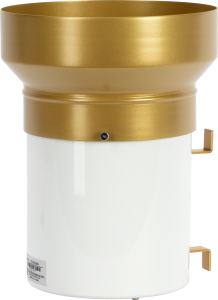
オプション1: 転倒マス(非加熱、円筒形)
- 例: TE525WS
- 長所: ほとんどのアプリケーションで許容できる精度、手頃な価格、信頼性、低消費電力、現場での導入が容易、メンテナンスが容易
- 制限事項:センサー本体周囲の気流の歪みによる捕捉不足、激しい降雨時の飛散による測定不足。固体の降水は融解してからでないと測定できません。雪橋が発生する場合があります。
- 最適な用途: 既知の制限が許容されるオフグリッドの長期モニタリング
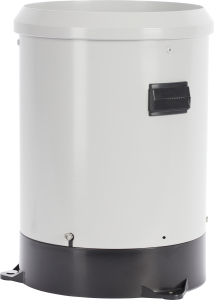
オプション2: サイフォン付き転倒マス(非加熱、円筒形)
- 例: TB4
- 長所: 激しい降雨が発生する可能性のある場所に最適。内部にサイフォン機構があり、雨水が一定速度で傾斜機構まで流れます (強度に関係なく)。サイフォンにより、センサーは 0 ~ 50 cm/時の範囲で正確な測定が可能です。TE525WS よりも高価で、砂時計型のゲージと同等の価格です。信頼性が高く、消費電力が低い。現場での展開が簡単。メンテナンスの手間がかかりません。
- 制限事項:センサー本体周囲の気流の歪みによる捕捉不足。センサー設計に組み込まれたサイフォンにより、捕捉不足による誤差が大きくなるため、リアルタイム計測が不可能となる。固体降水は、検知される前に融解する必要がある。雪橋が発生する可能性がある。
- 最適な用途: 既知の制限が許容されるオフグリッドの長期モニタリング
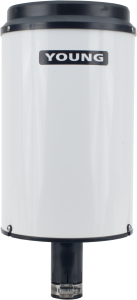
オプション3: 傾斜バケット(加熱された円筒形本体)
- 例: R. M. Young 52202
- 長所: ほとんどのアプリケーションで許容できる精度、加熱要素が雪や氷を溶かして年間を通して測定可能、信頼性が高い
- 制限事項: 上記のように集水不足および測定不足が発生することがあります。AC 電源アプリケーションのみ (高消費電力)。過度の加熱による蒸発により測定不足が発生することがあります (加熱はデータロガーで制御 (温度依存) し、寒い時期に使用してください)。
- 最適な用途: 融解を待つよりも早く固体降水を記録する必要があるグリッド接続型監視ステーション
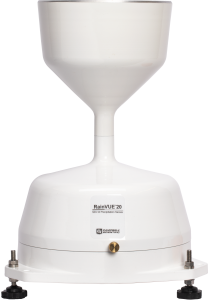
オプション4: 空力ボディ転倒バケット(非加熱)
- 例: RainVue 20
- 長所: 標準的な円筒形の傾斜バケットよりも降水量の捕捉率が向上し、測定精度も向上。信頼性が高く、消費電力も少ない。現場での導入も簡単。
- 制限事項:標準的な円筒型転倒マスよりもコストが高い。
固体の降水は、記録される前に融雪する必要がある。雪の橋渡しが発生する可能性がある。 - 最適な場所: 風の強い場所や激しい降雨が予想される場所
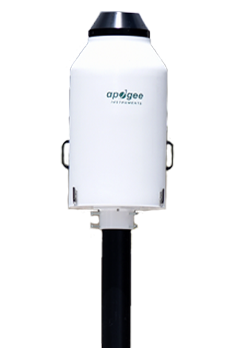
オプション5:計量雨量計(加熱式および非加熱式)
- 例: Apogee Instruments Cloudburst
- 長所: あらゆる降水タイプ(雪を含む)を正確に測定
- 制限事項: 標準的な転倒桝式雨量計に比べて電力消費量が多い。初期費用が高い。メンテナンス費用が高い (自動排水ではない)。不凍液を適切に廃棄する必要がある。サイズが大きいため、風による雨量不足の影響を受けやすい。オルタネータシールドの使用を強く推奨。または、技術的に最も正確な技術にもかかわらず、大きな誤差が生じる可能性がある。加熱された入口がないと雪の橋ができる可能性がある。暖房ステーションとグリッド接続を維持する必要がある。
- 最適な用途: 研究用途、空港、混合降水、アクセスしやすい場所 (満杯になったら空にするメンテナンス要件が高いため)
オプション6: 光学ゲージ
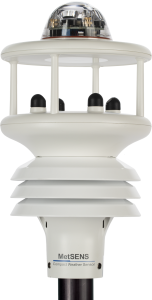
- 例: MetSens600
- 長所:センサーがテストされた降水量に対しては許容できる精度、それを超えると精度は低下する。応答速度が速い(可動部品なし)。厳しい天候でも動作する
- 制限事項: 汚染(例: ほこり、土、昆虫)の影響を受けやすい。総降水量の精度が低い(降水量/種類および強度に基づく降水量の推定)。複雑な較正およびデータ解釈。消費電力および初期費用が高い。すべての気候帯に適しているわけではない(例: 霧雨や細雪を一貫した精度で検出することが難しい/低い角度の明るい太陽光による光学干渉)
- 最適な用途: 遠隔地や寒冷地、輸送回廊。降水の種類や大きさを問わず正確な測定が可能なので、「降水検出器」として最適です。
オプション7:雨量計
- 例: Zata ZDM100
- 長所:雨の強さ、雨滴のサイズ分布、非常に弱い雨を検出可能。応答速度が速い(可動部品なし)
- 制限事項: 初期コストと消費電力が高い。メンテナンスレベルが高い(光学系を清潔に保ち、障害物がない状態にする必要がある)。降水と飛沫/昆虫の区別が難しい。校正なしでは累積合計の信頼性が低いことが多い。
- 最適な用途: 水文学研究および都市流出水研究、リアルタイム/高解像度データが必要な場所
オプション8: 衝撃(音響)
- 例: Vaisala RainCap
- 長所:応答時間が良好、可動部品なし、雹にも強い(強力な音響応答)
- 制限事項: 音響応答は液滴の大きさを想定(精度が低い); 雪には適さない
- 最適な用途: 降水の種類や大きさの範囲にわたって正確な測定が困難なため、「降水検出器」として考える必要があります。
一目でわかるセンサー比較
以下の表は、上で説明したセンサーを簡単に並べて比較したものです。
| センサーの種類 | モデル例 | 長所 | 制限事項 | 最適な用途 |
|---|---|---|---|---|
| 転倒マス | TE525WS | お手頃価格、耐久性、低消費電力 | 風による集水不足、飛散 | オフグリッド監視 |
| サイフォン付き転倒マス | TB4 | 大雨でも正確 | 対応の遅れ、風の捕捉不足 | オフグリッド監視 |
| 加熱式転倒マス | R. M. Young 52202 | 雪や氷をより早く検知 | 高い消費電力 | 系統電力を必要とする寒冷地 |
| 空気力学的転倒マス | RainVue 20 | より優れた風の捕捉と高強度補正 | コストが高い | 風が強い場所や嵐が発生しやすい場所 |
| 計量式雨量計 | Apogee Cloudburst | 雨でも雪でも正確 | メンテナンスと費用 | 研究、空港 |
| 光学ゲージ | MetSens600 | 高速応答、可動部品なし | 汚染に敏感 | 遠隔地の過酷な廊下 |
| ディスドロメーター | Zata ZDM100 | 滴のサイズと強度の詳細 | 高額な維持費 | 水文学研究 |
| 音響影響 | Vaisala RainCap | 強い雹の検知 | 雪には不向き | 降水検知 |
精度に影響するその他の要因
適切なセンサーを選択することは課題の一部に過ぎません。正確な降水量データは、以下の要素にも左右されます。
- 配置 – センサーは、高さ X の障害物から少なくとも 2 倍の距離に設置します (例: センサーは、高さ 9 メートルの木や建物から少なくとも 18 メートル離れている必要があります)。
- 振動制御 - 堅固な取り付けにより誤った転倒を防止します。
- 水平調整 – わずかな傾きの誤差でも読み取り値に偏りが生じる可能性があります。
- 電源とテレメトリ – バッテリー、充電、通信を現場の状況に合わせて調整します。
最後に
降雨量の測定は一見簡単そうに見えますが、プロジェクトのニーズに応じて様々な選択肢があることを念頭に置くことが重要です。ほとんどの用途において、標準的な転倒マス式雨量計は依然として有効な選択肢ですが、この方法を選択する場合は、使用時に避けられない2つの誤差、すなわち「捕捉不足」と「測定不足」に注意する必要があります。
降水量を正確かつ安定的に測定するには、センサーの選定と設置を慎重に行う必要があります。従来の転倒マス式、重量計、あるいは高度な光学式や空気力学的設計を採用する場合でも、それぞれのセンサーの長所と短所を理解することで、構造物や地盤工学プロジェクトに必要な環境情報を的確に把握できます。
お客様の現場の条件に最適な降雨センサーがご不明な場合は、今すぐ当社の 営業 にお問い合わせください。
References
1Matteo Colli, Michael Pollock, Mattia Stagnaro, Luca G. Lanza, Mark Dutton, Enda O’Connell, A Computational Fluid-Dynamics Assessment of the Improved Performance of Aerodynamic Rain Gauges. 2018 https://agupubs.onlinelibrary.wiley.com/doi/full/10.1002/2017WR020549
Credits: Main photo is used with permission from Dr. Stephen Hughes of the Puerto Rico Landslide Hazard Mitigation Office.


著者について
 Kevin Randall is the Infrastructure Sales Manager for the Americas at Campbell Scientific, Inc. He has worked in multiple markets, focused on not only the North American market, but also the Spanish-speaking LATAM region. Kevin has a bachelor's degree in Geological Engineering and a master’s degree in Hydrogeology. Away from work, he enjoys woodworking, wrestling with his sons, gardening with his wife, and hiking with his dogs and goats.
コメント
Please log in or register to comment.