Displaying 1 - 20 of 35 articles tagged with: CRBasic
著者: Shaurya Rastogi | 最終更新日: 12/15/2025 | コメント: 0

このシリーズの 3 番目で最後のブログ記事では、自動監視プラットフォームを安全に保つために実行できる、より実践的な手順をいくつか紹介します。 PakBus 暗号化に関する最初の記事を見逃した場合、またはもう一度確認したい場合は、How to Keep Your Data Safe with PakBus® 暗号化を使用してデータを安全に保つ方法:パート1をお読みください。
プログラムと通信リンクのセキュリティ保護に関する私の 2 番目の記事を読みたい場合は PakBus® 暗号化を使用してデータを安全に保つ方法:パート2をお読みください。 メールでデータを安全に送信する
データロガーが電子メールでデータを送信する場合は、常に TLS 暗号化接続を使用してください。
安全な電子メールの設定方法 自動監視プラットフォームが EmailSend() 命令をサポートしており、一般的な SMTP サーバー (企業のメール サーバーなど) を使用する場合は、それに応じて CRBasic を設定できます。
Result = EmailSend("smtp.server.com:587", "recipient@domain.com", "from@domain.com","Subject", "Message body", "", "username", "password", ServerResponse)Choose port 587 or 465 if your SMTP server...
続きを読む
著者: Shaurya Rastogi | 最終更新日: 11/17/2025 | コメント: 0
このシリーズの2回目のブログ記事では、自動監視プラットフォームのセキュリティを維持するための実践的な追加手順をご紹介します。PakBus暗号化に関する最初の記事をまだ読んでいない方、またはもう一度読み返したい方は、 PakBus® 暗号化でデータを安全に保つ方法:パート1をご覧ください。
I'll be covering a lot of information in this blog article. Here's a linked list of the topics if you want to move back and forth between them a little more easily: Secure Your Programs and Connections Lock Down the Terminal Menu
Control Telnet Access How...
続きを読む
著者: Shaurya Rastogi | 最終更新日: 11/03/2025 | コメント: 0
今日のネットワーク化された世界において、データの保護はこれまで以上に重要になっています。特に環境、産業、科学的なモニタリングにおいてはなおさらです。Campbell Scientificの自動モニタリングプラットフォーム(データ収集システムまたはデータロガーとも呼ばれます)をご利用の場合、強力なセキュリティ対策によってシステム自体だけでなく、信頼するデータの整合性も保護されます。
このブログ記事とシリーズの次の 2 つの記事では、自動監視プラットフォームを安全に保つために実行できる実用的な手順を紹介します。
ハードウェアを保護する
まずは基本から、ハードウェアの保護から始めましょう。 不正アクセスを防ぐために、自動監視プラットフォーム、電源、周辺機器を安全な場所に配置します。
ケーブルとインターフェースを干渉や改ざんから保護します。
内蔵の 3 段階セキュリティ システムを使用します。
安全な通信のためにPakBus ®暗号化キーを設定します。 3段階のセキュリティを設定する方法
Campbell Scientificの自動監視プラットフォームは、最大3段階のセキュリティコード(セキュリティレベル1、2、3)をサポートし、さまざまなシステム機能へのアクセスを制御します。有効なセキュリティコードは1~65535の整数です(0 = セキュリティなし)。 セキュリティ設定にアクセスします: LoggerNet Connect 画面、デバイス構成ユーティリティ (DevConfig)、またはターミナル エミュレータを使用して、自動監視プラットフォームに接続します。
DevConfig の [Security] または [Deployment] → [Datalogge] タブ (または LoggerNet の同等のメニュー) に移動します。 各セキュリティ レベルを構成します: キュリティレベル1(最高権限) – プログラムや設定の変更を含むフルアクセスを許可します
セキュリティレベル2(中程度の権限) – 一部の変更(例:時計、パブリックテーブル変数)は許可されますが、プログラム全体の変更は制限されます。
セキュリティ レベル 3 (最低の権限) – データ収集のみが許可され、上位レベルのコードが入力されない限り、その他の通信/アクションはブロックされます。 構成されたセキュリティ レベルごとに次のようになります: 数値のセキュリティ コード...
続きを読む
著者: Dana Worley | 最終更新日: 04/09/2021 | コメント: 0
Do you currently use SMSSend() in a CRBasic data logger program to send SMS messages through a Campbell Scientific CELL2XX internal or external cellular module? There are some things you should know about the recent improvements we made that affect how SMSSend() works.
With the release...
続きを読む
著者: Gary Roberts | 最終更新日: 02/21/2018 | コメント: 3
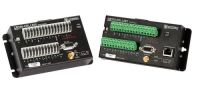
You may have heard about the new integrated cellular modem gateways available as options on some of our data loggers. But, do you know what these options really offer, and how they can help your data communication needs now and for decades to come? In...
続きを読む
著者: Janet Albers | 最終更新日: 10/25/2017 | コメント: 6
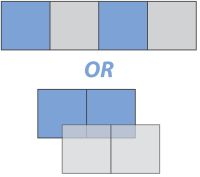
Have you ever noticed a message saying that your CRBasic program compiled in PipelineMode or SequentialMode? What does it mean? And, when does it matter? In this article, we’ll look at these two modes.
Sequential Mode
Let’s start with the more straightforward mode: SequentialMode. The CRBasic Editor...
続きを読む
著者: Gary Roberts | 最終更新日: 05/31/2017 | コメント: 2
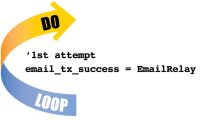
Maybe you’re like me when it comes to skipped scans. I have always disliked seeing skipped scans in my data loggers. I have been trained to watch out for them and do my best to write my CRBasic programs in a way that makes them...
続きを読む
著者: Gary Roberts | 最終更新日: 03/23/2017 | コメント: 2
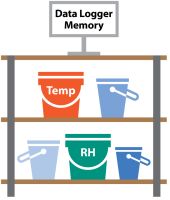
Pointers are a great tool for CRBasic programs. If you use them carefully, pointers can reduce the amount of program code you need to write, thereby increasing your program’s efficiency and enabling you to use less memory. (Your program can run faster because it does...
続きを読む
著者: Jacob Davis | 最終更新日: 02/22/2017 | コメント: 8
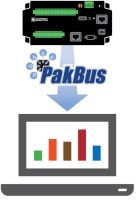
Have you come across situations where you want your data logger to initiate data retrieval, rather than your PC? For example, do you have an environmental condition that you want to transmit alarm data for?
Although IP-based communication is prevalent, sometimes you may need data-logger-initiated communication...
続きを読む
著者: Dana Worley | 最終更新日: 01/25/2017 | コメント: 22
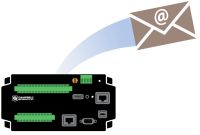
Have you had problems finding an SMTP server to use to send emails from your data logger? Are compatibility issues causing you to look for a work-around? Keep reading for a solution that may be just what you need.
Some Background
In 2006, we added the ability...
続きを読む
著者: Dana Worley | 最終更新日: 12/07/2016 | コメント: 2
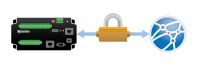
The Internet of Things offers a lot of advantages in today’s culture. There are consumer devices that let you monitor and control mood lighting and music in your home, keep track of last week’s leftover dinner in your refrigerator, and help you brew a cup...
続きを読む
著者: Robert Hyatt | 最終更新日: 11/10/2016 | コメント: 5
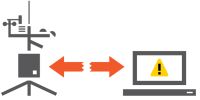
Imagine that you have a data logger station three hours away that gathers your measurement data. To physically get to your station, not only do you have to drive for three hours, but then you have to hike for an hour up a snow-covered mountain.
A...
続きを読む
著者: Paul Smart | 最終更新日: 09/02/2016 | コメント: 1

Turning your Campbell Scientific data logger into a DNP3 outstation is a great way to allow systems that use the DNP3 protocol to have access to your live measurement data, as well as historical data. When you use your data logger as a DNP3 outstation, the...
続きを読む
著者: Carolyn Ivans | 最終更新日: 06/22/2016 | コメント: 7
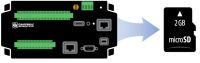
You may have identified the need to add external data storage to your data logger with flash-memory cards. But do you know which CRBasic instruction to use to do it? In this article, I’ll help you choose the most suitable instruction for your application. In a...
続きを読む
著者: Jacob Davis | 最終更新日: 04/21/2016 | コメント: 0
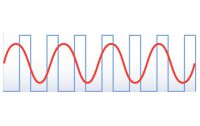
Have you ever had a sensor work on a P (pulse) data logger terminal, but not on a C (control) terminal? Is the list of choices for the PConfig parameter in the PulseCount() instruction daunting? Campbell Scientific data loggers offer several options for measuring pulse...
続きを読む
著者: Paul Smart | 最終更新日: 04/07/2016 | コメント: 24

Did you know that you can turn your Campbell Scientific data logger into a Modbus TCP/IP server? Do you know why that’s a good idea? Campbell Scientific data loggers are commonly used as Modbus server devices. This means that the data logger is configured to...
続きを読む
著者: Sam Utley | 最終更新日: 03/23/2016 | コメント: 10
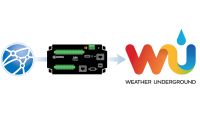
Note: It appears that after this blog article was written, Weather Underground has been phasing out the “PWS – Upload Protocol.” The following tutorial may or may not work currently or in the future. However, it continues to offer some insight into structuring a CRBasic...
続きを読む
著者: Gary Roberts | 最終更新日: 03/02/2016 | コメント: 1
Would it be helpful to include data from a reputable source with your own data? If you have permission to use another source’s data for free or by agreement, how can you easily extract the specific data you want to use without doing a lot...
続きを読む
著者: Janet Albers | 最終更新日: 02/10/2016 | コメント: 0
Periodically we release new operating systems (OSs) that include new functions and instructions, as well as enhancements or bug fixes for existing functions and instructions. If you are asked to update your OS or need a newly added feature for your application, this article provides...
続きを読む
著者: Paul Smart | 最終更新日: 01/20/2016 | コメント: 0
Have you heard of DNP3 but been unsure of what it is or what it’s used for? In this brief article, I’ll introduce you to this communications protocol, its role in SCADA applications, and how you can use it with your Campbell Scientific equipment and...
続きを読む


